Most sports injuries are not accidents. A meaningful proportion are predictable, and some are preventable.
What actually predicts injury
Previous injury. The strongest single predictor. A hamstring that has torn is far more likely to tear again, largely because strength and control are rarely restored fully before return.
Strength imbalance between sides. A meaningful deficit between limbs means one side is compensating, and the side doing the compensating is the one that gives way.
Poor load management. Sudden increases in training volume, whether that is preseason, coming back from a break, or a big week.
Reduced range of movement. Restriction at one joint means another takes the movement.
Fatigue. Most injuries happen late in a game or late in a session.
What a screening measures
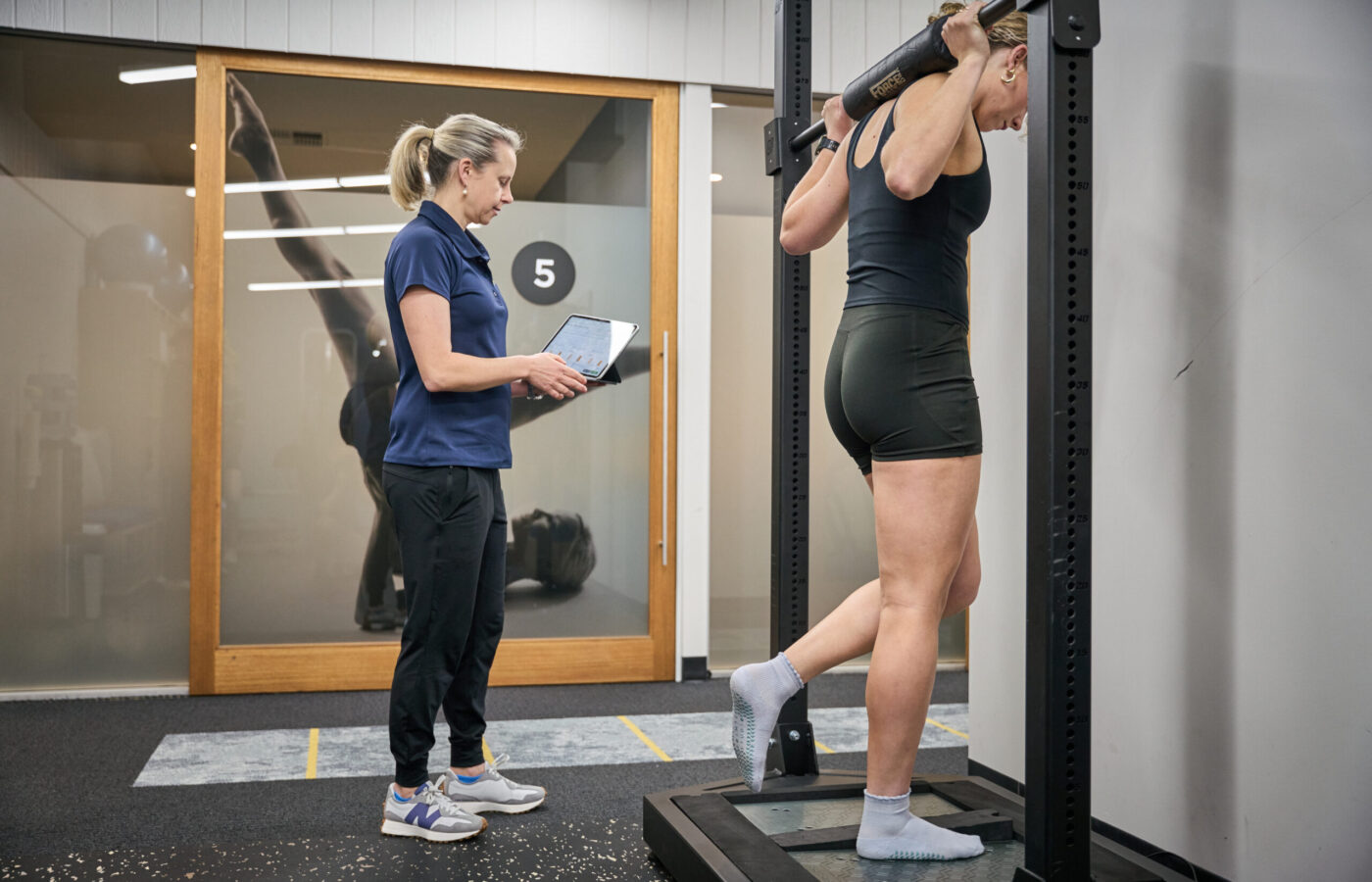
Strength, tested objectively rather than by hand. Symmetry between sides. Range of movement at key joints. Movement quality under load. And functional tests specific to your sport.
The output is a set of numbers, which is the point. Numbers can be compared later, and to a threshold. Impressions cannot.
Why the numbers matter more than how you feel
This is the part that prevents re injuries.
After an injury, pain resolves well before strength does. People feel ready considerably earlier than they are ready, and returning with a significant strength deficit is one of the most reliable ways to be injured again within weeks.
Testing removes the guess. If your injured side is meaningfully weaker than the other, you are not ready, however good you feel. If it is within range, you are, and you can return with confidence rather than hope.
What we use
Sports diagnostic and strength testing equipment, the same technology used with elite athletes. Many of our clients are elite athletes, and we have worked with SANFL clubs, state representative teams and the sporting organisations we support across South Australia.
The point is not the equipment. It is that your rehabilitation is guided by data rather than by how the week has felt.
Who should get screened
Anyone returning to sport after an injury, before they return rather than after. Athletes at preseason. Anyone with a recurring injury, because recurrence usually means an unresolved deficit. Anyone significantly increasing training load. And anyone who simply wants to know where they stand.
What you get
A baseline you can be measured against. A clear picture of any imbalance. A programme aimed at what the testing found rather than at what is generally recommended. And a defined threshold for return to sport, so the decision is made on evidence.
The honest summary
You cannot prevent every injury. Contact sport involves collisions and collisions do damage.
What you can do is remove the preventable ones, which are the recurrences and the ones caused by returning too early. Those are a large share of the total, and they are the ones testing catches.
Book a screening at any of our clinics.
For the bigger picture, read The Complete Adelaide Guide to Getting Real Relief From Pain and Injury.