If you have been told you have knee osteoarthritis and that a replacement is coming, this is worth reading before you book one.
What osteoarthritis actually is
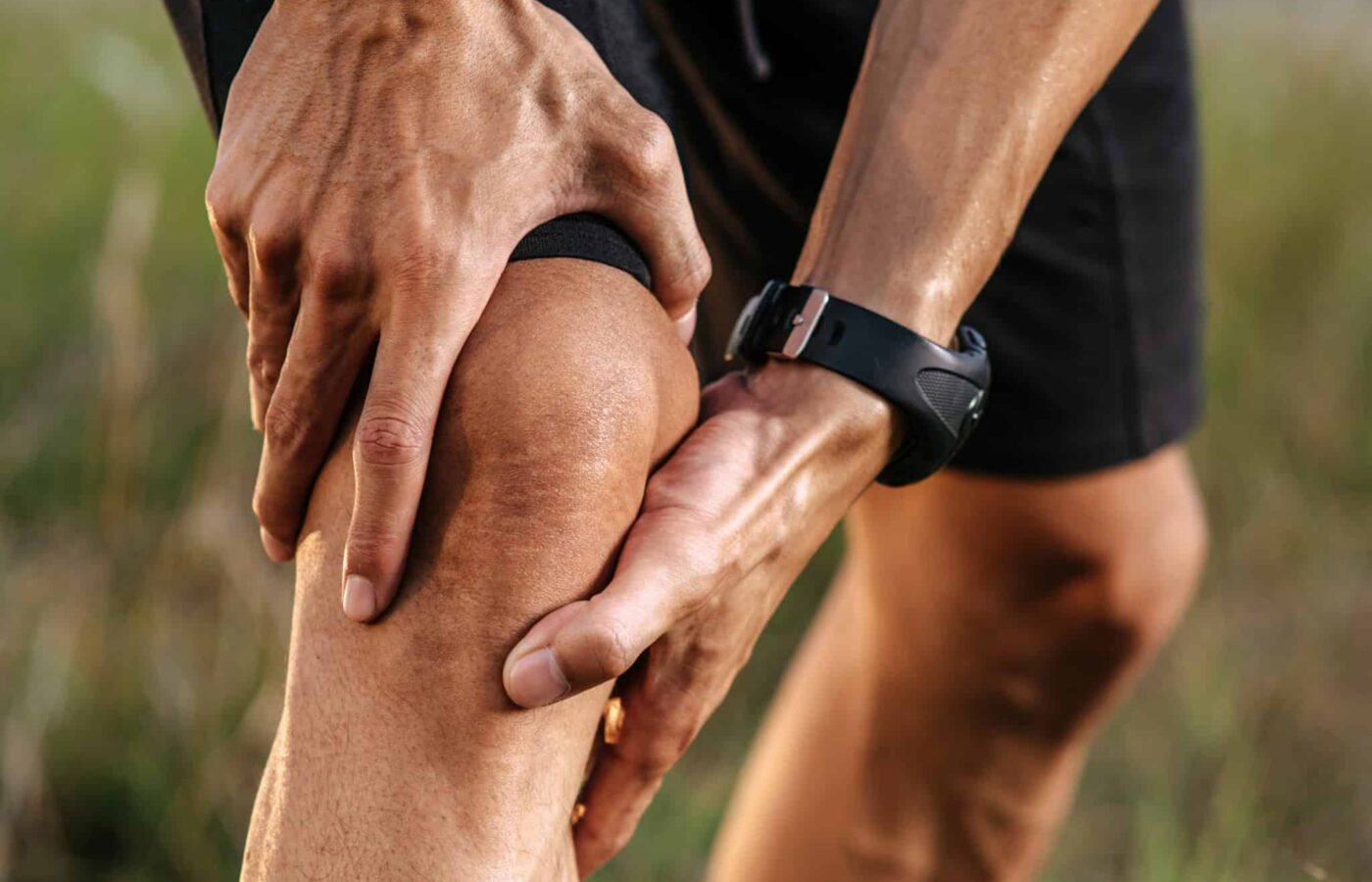
Not simply wear and tear, and not an inevitable consequence of age. It is a change in the joint involving cartilage, bone and surrounding tissue, and the amount of change visible on a scan correlates poorly with how much pain someone has.
That last point matters enormously. People with substantial changes on imaging often have little pain. People with modest changes sometimes have a lot. Which means the scan does not decide your treatment, and it certainly does not decide whether you need surgery.
What the evidence says about exercise
Exercise therapy is recommended as a first line treatment for knee and hip osteoarthritis in essentially every clinical guideline internationally. Not as an alternative to be tried when nothing else works. As the first thing.
The reason is straightforward. Stronger muscles around a joint reduce the load going through it and improve how it functions. That reduces pain, often substantially, and it improves what you can do.
What GLA:D is
GLA:D stands for Good Life with osteoArthritis: Denmark. It is a structured, evidence based education and exercise programme developed in Denmark specifically for people with knee and hip osteoarthritis, and delivered by physiotherapists trained in it.
It runs as two education sessions and a series of supervised exercise sessions over about six weeks, using neuromuscular exercise designed to improve joint control rather than simply build strength.
International data on GLA:D participants consistently shows reduced pain, improved function and reduced use of pain medication, and a meaningful proportion of participants who were considering surgery report they no longer intend to have it.
We run GLA:D across our clinics.
Does that mean you should not have surgery
No. Some knees genuinely need replacing, and a joint replacement is one of the most successful operations in modern medicine when it is the right decision.
The question is sequence. Exercise therapy first is recommended because a proportion of people improve enough that surgery is no longer needed, and because those who do proceed to surgery generally recover better from it if they go in stronger.
Doing the programme does not close the surgical door. It tells you whether you need to walk through it.
How to decide
Ask your surgeon what happens if you do a supervised exercise programme first and reassess in three months. A good surgeon will support that in most cases.
Then ask a physiotherapist to measure your current strength and function properly, so the reassessment is against a number rather than a memory.
What we do
The GLA:D programme, delivered by trained physiotherapists, alongside strength testing so you can see the change rather than guess at it. Hydrotherapy for people whose knees will not tolerate land based loading at the start, and a physio led gym to continue in once the programme finishes.
Same day appointments if you want to talk it through before deciding anything.
For the bigger picture, read The Complete Adelaide Guide to Getting Real Relief From Pain and Injury.