Strong Bones. Strong Body. Strong Future.
Why Bone Health Should Be a Priority for Women in Midlife and Beyond
As women move through perimenopause, menopause and beyond, maintaining bone health becomes increasingly important. While many women are aware of common menopausal symptoms such as hot flushes, sleep disturbances and mood changes, the impact of hormonal changes on bone health often receives far less attention.
Yet bone loss can begin silently, without symptoms, and continue for years before it is detected. By the time a fracture occurs, significant bone loss may have already taken place. The good news is that there are proactive steps women can take to support and protect their bone health at every stage of life.
Understanding Bone Health
Many people think of bones as static structures, but in reality, bone is living tissue that is constantly being broken down and rebuilt. Throughout our younger years, the body is generally able to build bone faster than it loses it, allowing us to achieve peak bone mass in early adulthood.
As we age, this process gradually shifts. During perimenopause and menopause, declining oestrogen levels accelerate bone breakdown, resulting in a loss of bone density. Over time, this can increase the risk of developing:
- Osteopenia (lower than normal bone density)
- Osteoporosis (significantly reduced bone density)
- Fragility fractures
- Reduced strength and physical function
In Australia, osteoporosis affects a significant proportion of older women, making bone health a critical aspect of healthy ageing.
The Role of Exercise in Bone Health
While factors such as genetics, nutrition and hormonal changes influence bone health, exercise is one of the few interventions that has been shown to directly stimulate bone tissue and help maintain bone density.
Bones respond to load. When muscles contract against bone during exercise, they create forces that encourage bones to adapt and strengthen. This principle, known as mechanical loading, forms the basis of exercise programs designed to support bone health.
Research consistently demonstrates that targeted exercise programs can help slow age-related bone loss and may even improve bone density in some individuals.
However, not all exercise has the same effect on bone health.
Activities such as swimming and cycling provide excellent cardiovascular benefits but place relatively little load through the skeleton. For optimal bone health, exercise programs should also incorporate activities that challenge the bones and muscles in a safe, progressive manner.
What Makes an Effective Bone Health Program?
Bone health classes are designed around key exercise principles that support both bone strength and overall physical function.
Programs typically include:
Strength Training
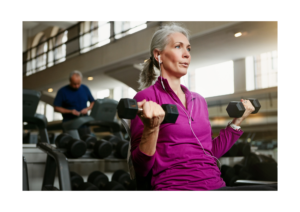
Resistance training helps improve muscle strength while placing healthy stress on bones, encouraging them to become stronger over time.
Weight-Bearing Exercise
Exercises performed while standing force the body to work against gravity, which is important for maintaining bone density in the hips, spine and lower limbs.
Impact Activities
Where appropriate, controlled impact exercises such as stepping, hopping or jumping can provide an additional stimulus for bone growth and strengthening.
Balance and Stability Training
Falls are one of the leading causes of fractures in older adults. Improving balance, coordination and stability can significantly reduce fall risk and improve confidence with everyday activities.
Functional Movement Training
These exercises focus on movements used in daily life, such as squatting, lifting, carrying and getting up from the floor, helping women remain independent and active for longer.
More Than Just Strong Bones
One of the greatest benefits of participating in a bone health program is that the positive effects extend far beyond bone density.
Regular exercise can help:
- Improve muscle strength
- Enhance balance and coordination
- Increase mobility and flexibility
- Reduce the risk of falls
- Improve posture
- Build confidence in everyday movement
- Support mental health and wellbeing
- Maintain independence as we age
Many women also find that exercising in a supportive group setting improves motivation, accountability and enjoyment.
Who Can Benefit?
Bone health classes may be suitable for:
- Women navigating perimenopause or menopause
- Women diagnosed with osteopenia or osteoporosis
- Women with concerns about declining bone density
- Those wanting to take a proactive approach to healthy ageing
- Beginners starting their exercise journey
- Women looking to improve strength, balance and overall wellbeing
Programs can often be adapted to suit different fitness levels, health conditions and individual goals.
Why Professional Guidance Matters
When it comes to exercise for bone health, technique and program design are important.
Many women are unsure about which exercises are safe, particularly if they have been diagnosed with osteoporosis or have previous injuries or health concerns. Working with qualified health professionals ensures exercises are appropriately prescribed, progressed safely and tailored to each individual’s needs.
A professionally supervised program can provide reassurance, education and expert support while helping participants gain the greatest benefits from exercise.
Investing in Your Future Health
Bone health is not just about preventing fractures. It is about maintaining the strength, confidence and independence to continue doing the activities you love for years to come.
Whether you’re approaching menopause, living with osteopenia or osteoporosis, or simply looking to take a proactive approach to healthy ageing, investing in your bone health today can have lasting benefits for your future.
Strong Bones. Strong Body. Strong Future.
Our Bone Health Classes are designed to help women build strength, improve confidence and support lifelong health through evidence-based exercise in a welcoming and supportive environment.
To learn more about upcoming classes and availability, contact PhysioXtra Norwood or book in online here – https://www.physioxtra.com/booking/