Pelvic Health Physiotherapy: Who Can It Help and What Are the Benefits?
Pelvic health concerns are incredibly common, but they’re not always easy to talk about. Bladder leakage, pelvic pain, bowel concerns, discomfort during sex or changes during pregnancy, after childbirth or through menopause can have a significant impact on everyday life. While these symptoms may be common, they’re not necessarily something you simply have to live with.
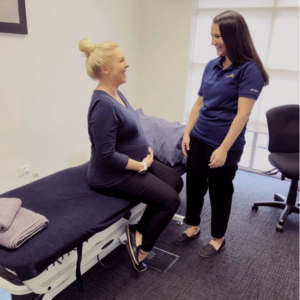
Our Physiotherapists have specialised training to assess and manage conditions involving the pelvic floor, bladder, bowel and surrounding areas. The Australian Physiotherapy Association recognises pelvic health physiotherapy as an important area of care across the lifespan, including continence, pregnancy and postnatal care, pelvic pain, prostate health, sexual health, and post-surgical rehabilitation.
What is the pelvic floor?
The pelvic floor is a group of muscles and connective tissues at the base of the pelvis. These muscles help support the pelvic organs and play an important role in bladder and bowel control, sexual function and managing pressure during activities such as coughing, lifting and exercise. Pelvic floor dysfunction isn’t always related to weakness. The muscles can also become tight, overactive or poorly coordinated, which is why an individual assessment can be important before simply starting pelvic floor strengthening exercises.
Who could benefit from seeing a Physiotherapist with additional training and experience in pelvic floor conditions?
Physiotherapists with additional training and experience in pelvic health and pelvic floor conditions can support people experiencing a wide range of concerns. These can include urinary leakage, urgency or frequency, constipation, difficulty emptying the bowel, pelvic organ prolapse, persistent pelvic pain and pain or discomfort during sex.
Treatment is based on the individual’s symptoms and may involve pelvic floor rehabilitation, bladder or bowel strategies, education, breathing and relaxation techniques or advice around exercise and everyday activities.
This type of Physiotherapy can also be particularly valuable during pregnancy and following childbirth. Pregnancy and birth place significant demands on the body and pelvic floor, and physiotherapy can help with concerns such as leakage, pelvic or perineal pain, prolapse symptoms, abdominal separation, caesarean scar discomfort and returning safely and confidently to exercise after having a baby.
Support isn’t limited to pregnancy and the postnatal period. People experiencing changes associated with menopause, persistent pelvic pain (eg. related to endometriosis and adenomyosis or the pubic and sacroiliac joints) or recovering from pelvic, gynaecological or prostate related surgery may also benefit from this type of Physiotherapy.
What are the benefits?
A major benefit of seeing a Physiotherapist for pelvic health is receiving care that is tailored specifically to you. Rather than assuming every pelvic floor needs strengthening, your physiotherapist can assess how your pelvic floor is functioning and consider your symptoms, lifestyle and goals before developing an appropriate treatment plan. Depending on your needs, treatment may include strengthening or relaxation exercises, bladder and bowel retraining, breathing and pressure-management techniques, pelvic pain strategies, education and guidance around returning to exercise.
Ultimately, Physiotherapy is about helping you better understand your body, manage your symptoms and feel more comfortable and confident in everyday life.
You don’t need to have severe symptoms before speaking to a Physiotherapist about your pelvic health concerns. Whether you’ve noticed a little bladder leakage when exercising, you’re experiencing pelvic discomfort, you’re pregnant or recovering after having a baby, or something simply doesn’t feel quite right, it’s worth starting the conversation.