Hip Pain: More Than Just a Tight Muscle
Hip pain can make everyday activities like walking, sitting, exercising, or even sleeping uncomfortable. While many people assume hip pain is simply due to “tight muscles” or ageing, the reality is that there are many different structures around the hip that can contribute to symptoms. Understanding the source of your pain is the first step towards effective treatment.
Why Does My Hip Hurt?
The hip is one of the largest and most stable joints in the body. It relies on a combination of bones, cartilage, ligaments, tendons, muscles and nerves working together to keep you moving comfortably.
Hip pain can arise from a variety of conditions, including:
-
Osteoarthritis
-
Gluteal tendinopathy
-
Hip bursitis
-
Hip dysplasia
-
Labral tears
-
Femoroacetabular Impingement (FAI)
-
Muscle strains
-
Nerve irritation
-
Lower back conditions that refer pain into the hip
This is why two people with “hip pain” can have very different diagnoses and treatment plans.
Where You Feel Pain Matters
The location of your pain can provide important clues about what may be causing your symptoms.
Groin Pain
Pain felt deep in the front of the hip or groin is often associated with the hip joint itself. Conditions such as hip osteoarthritis, labral tears, hip dysplasia, or femoroacetabular impingement may contribute to these symptoms.
Side of the Hip Pain
Pain over the outside of the hip is commonly associated with gluteal tendinopathy or greater trochanteric pain syndrome. However, hip joint problems can also refer pain into this area.
Buttock Pain
Pain in the buttock may be related to the hip joint, surrounding muscles, or even the lower back. A thorough assessment is often needed to determine the true source.
Common Hip Conditions
Hip Osteoarthritis
Hip osteoarthritis occurs when the cartilage within the hip joint changes over time. Common symptoms include:
-
Groin pain
-
Stiffness
-
Difficulty sitting for long periods
-
Reduced range of movement
-
Pain during walking or exercise
The good news is that exercise and physiotherapy are among the most effective first-line treatments for managing hip osteoarthritis.
Hip Dysplasia
Hip dysplasia occurs when the hip socket does not fully cover the ball of the hip joint. This can lead to increased stress on the joint and surrounding tissues.
Symptoms may include:
-
Groin pain
-
Clicking, catching, or locking sensations
-
Feelings of instability
-
Pain during running, walking, or prolonged sitting
Many people are surprised to learn that hip dysplasia can remain undiagnosed for years, particularly in young active women.
Femoroacetabular Impingement (FAI)
FAI occurs when the shape of the hip joint causes the bones to make contact earlier than they should during movement.
People with FAI often experience:
-
Pain in the front of the hip or groin
-
Pain with squatting or sitting
-
Reduced hip mobility
-
Symptoms during sport or exercise
Could It Be Coming From Your Back?
Not all hip pain actually originates from the hip.
The lower back and pelvis can refer pain into the hip and groin region, sometimes making it difficult to determine the true source of symptoms. This is one reason why a comprehensive physiotherapy assessment is so important.
How Physiotherapy Can Help
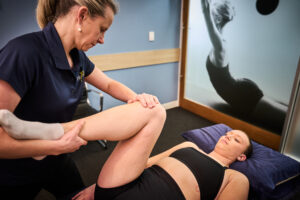
At PhysioXtra, we don’t just focus on where the pain is—we identify why it’s there.
A physiotherapy assessment may include:
-
Reviewing your symptoms and activity levels
-
Assessing hip mobility and strength
-
Evaluating movement patterns
-
Identifying contributing factors from the lower back, pelvis, or surrounding muscles
-
Developing a personalised treatment plan
Treatment may involve:
✅ Targeted strengthening exercises
✅ Clinical Pilates
✅ Movement retraining
✅ Manual therapy
✅ Dry needling (where appropriate)
✅ Return-to-sport or activity planning
✅ Clinical Pilates
✅ Movement retraining
✅ Manual therapy
✅ Dry needling (where appropriate)
✅ Return-to-sport or activity planning
Don’t Ignore Persistent Hip Pain
Hip pain is not something you simply have to “put up with.” Whether your symptoms started recently or have been bothering you for months, early assessment can help identify the cause and prevent ongoing problems.
The earlier the right diagnosis is made, the sooner you can return to walking, exercising, working, and living comfortably.
Need Help With Hip Pain?
Our experienced physiotherapists can assess your hip pain, identify the source of your symptoms, and create a tailored plan to help you move confidently again.
Book an appointment with PhysioXtra today and keep moving for life.